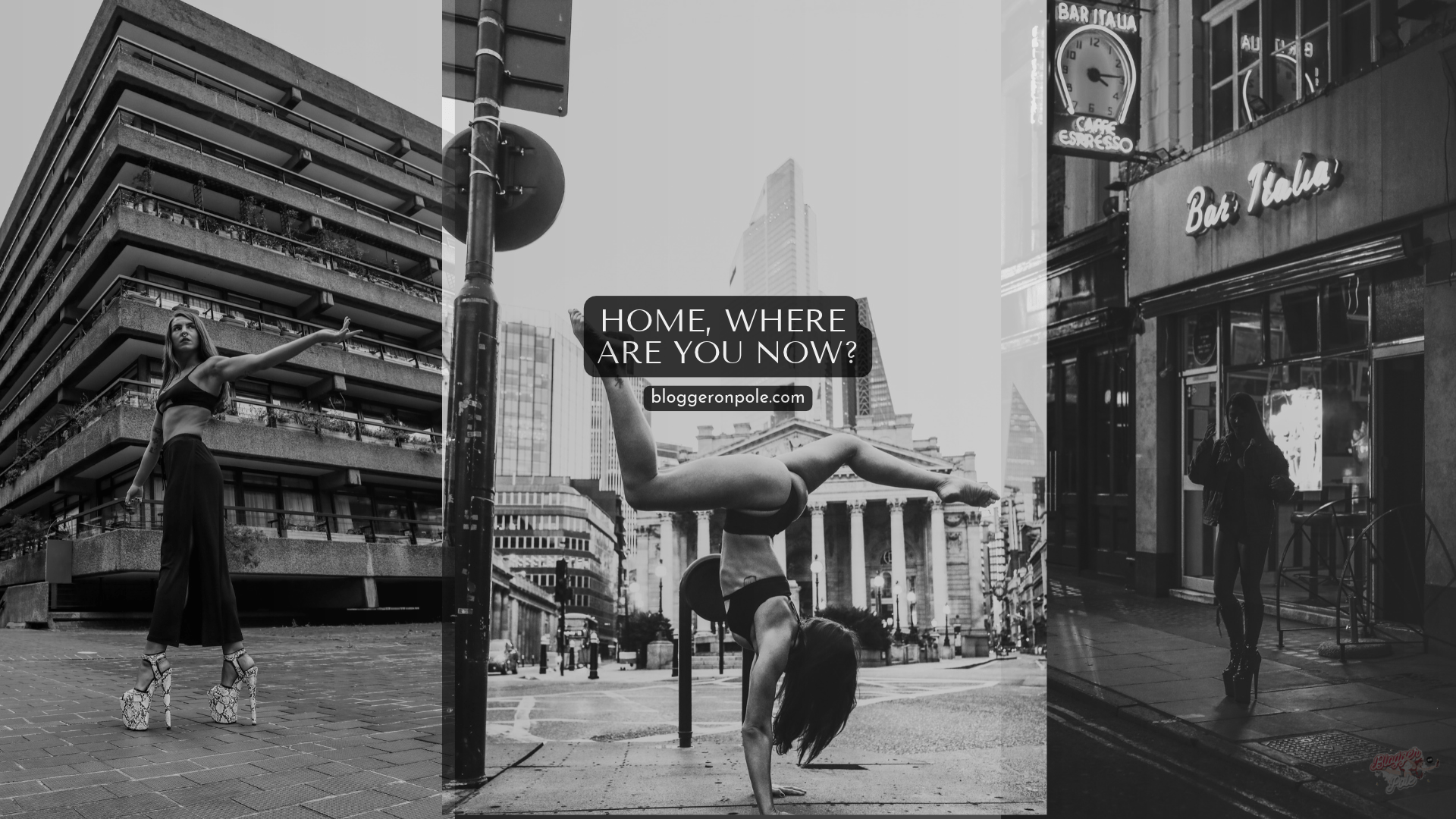
Recent changes to permanent settlement and indefinite leave to remain in the United Kingdom, where I live, have provoked a series of disorienting reflections about where I think my home is, or where I want it to be. Despite having become a citizen of the country I have wanted to settle down in since my early teens, the UK no longer feels like home… or not fully. But neither does Italy, where I was born and where I grew up. So this post is a tentative, anxious and sometimes angry attempt at understanding whether my perceived lack of belonging is due to a country and its politics, to the end times we find ourselves in, to the technofascism-propelled toxic anti-immigration discourse we cannot escape, to working in the declining academic sector, or to age and relationship status, with a sprinkle of some professional and political considerations.
Home, citizenship, privilege
Before you all panic, luckily I am, compared to many friends and colleagues, not affected by Home Secretary Shabana Mahmood’s changes to indefinite leave to remain (ILR), which is the official language for giving someone the right to live, work and study in the UK for as long as they like, receiving benefits and healthcare. I am now a dual Italian and British citizen (exhibit A below).

If you’re wondering what the changes are about, previously it took an immigrant five years to settle here in the UK. Now, the time to qualify for permanent settlement has been doubled from five to 10 years. Applicants are required to have earned a yearly salary of at least £12,571 for five of the seven years before they’re granted settlement. But crucially, those who are able to “earn” the settlement will get a faster track – e.g., if you’re a care worker, if you’ve earned at least £50,271 for three of five years immediately before applying for settlement, if you’re a skilled worker – and still settle in five years.
If you weren’t certain whether the UK Labour government was trying to pander to Reform, migrants who have claimed certain benefits or breached immigration rules will need 20 years to settle, while those who earn over £125,141 a year will qualify after three years. Academics and researchers are currently not on the skilled migrant list, and this open letter is trying to change that.
The reactions to the Home Secretary’s announcement have been strong. Young professionals who, similarly to me when I got my post-Brexit settled status (aka ILR for Europeans), earn much less than £50K a year said that updates to the already financially unsustainable visa system will throw their life plans upside down. I have lost count of all the LinkedIn and Instagram posts by people in my sector who have, sometimes, escaped literal wars or regimes and already paid thousands to try and settle here, only to be told they have to “earn it”. Many migrant workers feel the government has shifted the goalposts, now even threatening their wish to build a family here in the UK. And former Labour and now independent MP Diane Abbott, who has been done dirty by Labour throughout the years, raised the alarm in the Commons, arguing this could create a new Windrush scandal – something I’ve been worrying about given the flimsy post-Brexit agreements for quite a while.
I came to the UK to study at university in 2011, the year before the coalition government’s tuition fee hike, which would have prevented me from studying here just because of the sheer cost. After graduating and getting burnt out while working in PR, I naively went to Australia for a two-year Masters in 2016 thinking: “They’ll never leave the European Union, right?” and didn’t apply for the citizenship I would have, by then, qualified for. By the time I returned, I managed to get the wheels in motion to secure first the pre-settled, and then the settled status after five years, leading me to be accepted as a citizen in 2024, after paying around £1500 between the application, the Life in the UK test and the passport. So I’m here to stay, at least on paper.

The feeling of not belonging, or not being wanted, or not being really at home though has been chipping away at me for quite a while, and the Home Secretary’s announcement feels like one of the last few nails in the coffin. Because aside from wanting to vote, my citizenship application was inspired by the fear a Reform government would make it impossible for Europeans to settle. Yet here is Labour, trying to out-Reform them.
I was anxious about writing this post, and I am anxious about it going live. I was initially going to make a video about how I feel, but none of the videos I shot managed to deliver the nuance I think this topic deserves – I just sounded angry. I may be showing my age here, but as someone who grew up during and built her career on the text-based, pre-AI crawlers internet and social media, I believe it’s hard to give certain topics justice in short form. And I guess, as a digital criminologist observing the power of algorithms, I’m too aware of the cycle of outrage the mention of “immigration” in a video can generate, due to the engagement ragebait can produce. It was the abuse received in the comments of an article about my feelings about Brexit as a European immigrant posted after the referendum that inspired my research on online harms in the first place, and given how much more vicious that has become in the space of just 10 years I am not looking forward to repeating the experience.
And yet, here I am writing about immigration.
RIP my mentions, don’t @ me, etc. etc.
Home, language and bad vibes
As you’ve probably already gathered from my citizenship story and fee as a EU citizen, I have the privilege many people lack. I haven’t had to pay more than £1500 in recurring visas, health insurance, or pricier citizenship applications. I did some of that during my time in Australia, and I’m aware, if marginally, of how taxing that can be.
I am also, crucially, not the type of migrant certain people in this country often have a problem with, aka white, coming here to literally pay for a university sector that, at the time, was starting the descent into crisis that is now in the depths of Hell.
But I don’t call myself an “expat,” I call myself an immigrant.

I have written about home and safe spaces in the context of pole dance studios before, so the concept of creating spaces that feel safe and welcome is a big interest of mine, as someone who has previously taught pole, and who now teaches undergrads in classes with a high potential for debate. Given that a lot of the discussions we have had this year also centre around the algorithmically enhanced anger towards migrants, I deeply resent the way we talk about and deal with immigrants in the UK.
The language used against refugees – people who are, often, fleeing death, famine, war and persecution through desperate means – has been vile for over a decade. It is so out of control that people couldn’t even bear with the winners of a game show (Bash and Romesh from The Celebrity Traitors, not elected representatives) donated their prize to refugee charities.
So no, you couldn’t colour me exactly shocked when politicians started coming for legal immigrants. When people are hungry and you don’t wanna tax the billionaires to feed them for… reasons (?), I guess you must find another scapegoat to redirect public anger at. Except that, in a similar fashion to other decisions made by this government, this plan is based on vibes, and the vibes are bad. Because you can’t claim to be achieving something while undoing or creating obstacles to the very conditions required for that something to manifest. Some examples.
This government wants to hold Big Tech to account, and yet hands our NHS data to surveillance tech, Trump-adjacent firm Palantir. Now this is apparently ending, but only after a public outcry… and an extension to the contract.
The Labour government aims to help and empower young people, and yet they plan to ban them from social media (in Keir Starmer’s final throes as a Prime Minister) while not building any third space or alternative for them, and removing disability benefits from them.
Now, the UK Labour government wants to give EU students the same university fees as home students to save the collapsing academic sector I work in, while simultaneously asking them to pay much more and wait much longer to receive official confirmation they can settle in this country. Why would students settle here though, when they can go somewhere in Europe where life is cheaper and less miserable, and where they wouldn’t have to fight to stay and maintain the relationships made, and the experiences built, in the country where they studied?
Think about it: many people in my life – including my partner and best friends – met at uni, and then stayed. We couldn’t have done that with the updated ILR changes. Now, colleagues who paid thousands in tuition fees here, who built a life and maybe a family, who paid taxes, bought homes, are told they’ll have to “earn” their right to stay, as if staying here was free. Because most workers deemed “skilled” and not exempt from the new rules are not on the salary the Home Secretary wants them to earn to settle – including research scientists. Right now, I wouldn’t qualify if I were to apply today.
This decision, like many before – Brexit, the now-reversed and poorly announced demand that dual nationals should enter the country only with a British passport – is eroding feelings of belonging for many who thought they’d already done enough to belong here.
I’m very glad that since becoming a citizen and gaining the power to vote I did not vote Labour. Many of their policies and decisions – on trans people, on Palestine and those who support Palestinian rights and freedom – already steered me away because they did not represent me, but never in a million years would I have thought a Labour government could betray its values this much.
So where is home?
Today’s UK is not the country I moved to in 2011, hopeful and wide-eyed. I was attracted by many things when I first came, including multiculturalism, a sophisticated and reputable higher education sector, and LGBTQIA+ acceptance. The latter has now been backsliding as much as dropping over 10 spots in the ranking of the safest countries for LGBTQIA+ in Europe, so that should give you an idea about my feelings.

Italy is, of course, much worse on that – and we have the literal far-right in government. But when you leave your home to make a new one according to the values it promotes, it hurts more when those values change.
So where do we go from here?
Having this conversation with my parents, who have emotionally and financially invested in my move to the UK, resulted in many arguments. Being on the ground, governed by fascist sympathisers if not literal fascists, my folks remind me of how frustrated I’d be if I lived in Italy. They mention diverging values, insurmountable bureaucracy, the sheer lack of jobs and housing for people my generation, and the rising cost of living that resulted in many a protest this year. I mention sticking with the devil you know, and the fact that we have all of these issues here in the UK too, where the quality of life is much worse. Or, as a friend who lived here for a decade and recently left to return to Southern Italy told me: “If you have to be poor, I’d rather be poor at home.”
Research salaries and precarity are of course even worse in Italy, and although my partner speaks my language we don’t know how well that would translate into the workplace.
As you may have gathered, our plans are not fully formed, and they’re certainly not aided by the fact I move from postdoc contract to postdoc contract, with no permanent role in sight, as the academic job market is crowded, in decline and, ironically, also tanked by the same terrible immigration policies I am discussing here.

For now, there’s just that inexorable feeling that a place that can turn on the people who put so much into it (as it has with previous generations of migrants), a place where going from A to B is so lengthy and complex because of a declining yet costly transport system, where you can be held hostage by property service charges and property managers, and where you have to beg to be seen by a doctor, doesn’t give forever home vibes. It feels like the social contract has been broken multiple times in the UK, as governments keep moving goalposts worse than the fictional David Harbour in Lily Allen’s West End Girl album to beat competitors – and we pay the price for it.
What I’m trying to understand is if this is just the UK, or what authors Naomi Klein and Astra Taylor call “end times fascism” (an era where the powerful seem to keep acting to accelerate the apocalypse, something I wish would just stick to Buffy season finales). The UK has, of course, secured a head start in this, isolating itself from its neighbouring nations as the United States become more and more unreliable thanks to a Brexit campaign based on lies. But the emergence of fascist parties all over Europe (and the world), often trashing the values established after the Second World War and greatly aided by the technology companies I observe through my work, points to a more international malaise.
So the truth is, I don’t know where or what home will be and if I will feel at home in Italy, or elsewhere in Europe, or in the UK. I just know this dissonance is, aside from a combination of life stages, changing needs and reaction to an unstable world, also deeply tied to living in a country where a supposedly progressive government thinks people like me should do much more than we have to earn our right to stay. It’s tied to the normalisation of derogatory language against people who come here searching for a better life, no matter their background – the same language that this supposedly progressive government has already used against marginalised groups, normalising these attitudes. And that just changes the everyday commitment to, and investment in, this place for me.
I remember missing London terribly when I left for Australia, and wanting to be back. This is where I came of age, where I became myself, where I built a career, where I found love and friendship. But now, it hits different.

Praying for my comments to stay chill.
Pin this post